Gratitude Lessons for K–5: Connecting Emotions, Senses and the Brain
Classroom activities connect gratitude with sensory signals and brain processing, with options for K–2 and grades 3–5.
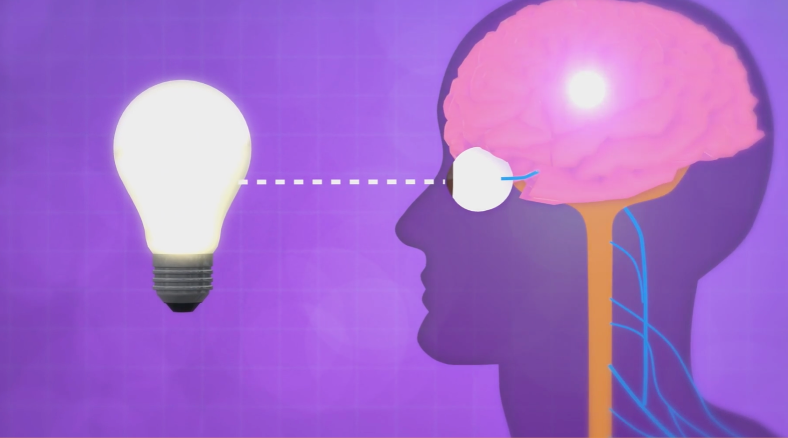
Gratitude can give elementary students a concrete way to explore how sensory information, emotions and the brain connect. A lesson built around what children notice and feel can move beyond thank-you notes and invite them to ask how the body responds to positive experiences.
The teaching opportunity is to match the explanation to students’ age. Younger learners can describe sensory experiences such as a friendly greeting or a familiar sound. Older students can consider how the brain processes information and how repeated thoughts and actions may shape patterns over time. In both cases, gratitude serves as a prompt for observation and discussion, rather than a substitute for teaching biology.
Begin with students’ own definitions
Ask learners what gratitude means and record their answers. Many will describe saying “thank you” or being polite. Those responses make a useful starting point: invite students to think about what happens before someone expresses thanks. What did they see, hear or feel? What made the experience meaningful to them?
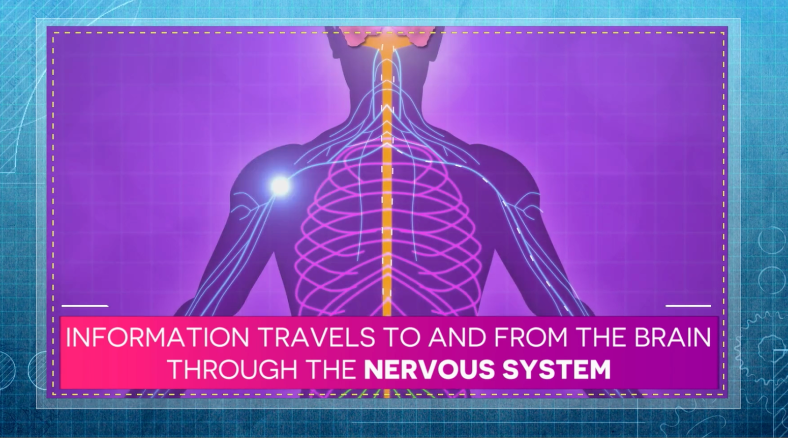
This approach connects an abstract emotion to things students can observe. A child might feel glad after a friend offers help, notice a calming sound, or enjoy the taste of a favorite food. Ask where they sense that feeling in their body. Their answers will vary, which opens a conversation about how people can respond differently to the same kind of experience.
Keep the science language measured. The activity can introduce the brain and nervous system as parts of how people receive and respond to information. Avoid telling students that every grateful thought produces a particular chemical response or that a short exercise literally rewires the brain. The lesson works best when students distinguish what they can observe from the scientific ideas they are beginning to study.
Choose an activity for the grade level
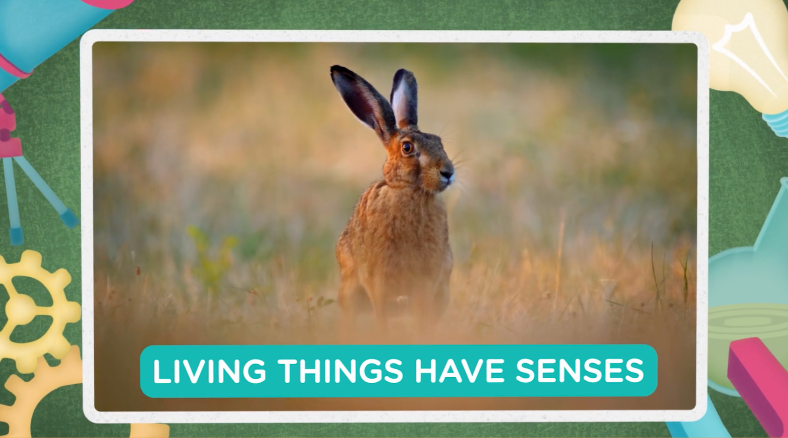
For kindergarten through grade two, sensory observation offers a direct route into the topic. Students can explore how sight, hearing, touch, taste and smell help them notice the world around them. A discussion about something they appreciate can then prompt questions about which senses helped them experience it. A high-five, for example, might involve touch and sight as well as the social meaning a child attaches to the gesture.
The Five Senses video is listed for K–2, with no preparation required. The Scratch & Sniff DIY activity is another option and is described as requiring low preparation. Both can help teachers anchor a conversation in sensory information before asking students to reflect on positive experiences.
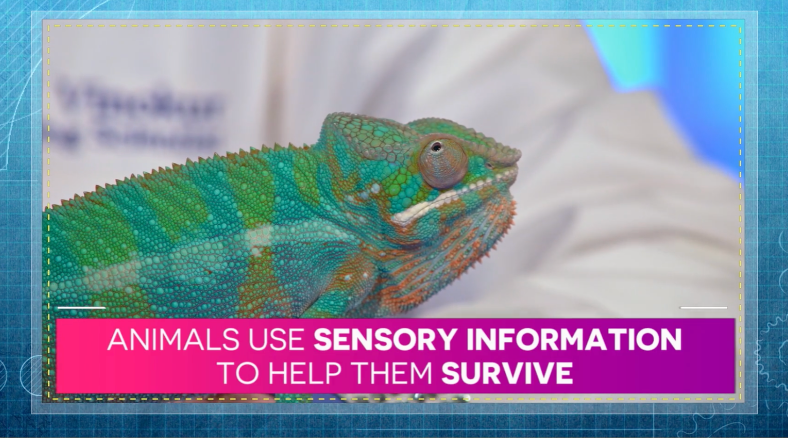
For grades three through five, the focus can shift toward how the brain processes information. Students can discuss how signals from the senses inform what they notice and how they interpret an experience. The Brain Processing Information video is listed for grades 3–5 and requires low preparation. A Reaction Time DIY activity, also listed as low preparation, can give students a hands-on way to think about how quickly people respond to information.
Older elementary students may be ready to hear that practice can influence patterns of attention and response. Present that idea as a starting point for questions, not as a claim that one gratitude exercise physically changes the brain. Ask what students might notice if they regularly paused to name something they value. Would they pay attention to different details? How could they tell?
A 20-minute classroom sequence
A short lesson can combine reflection, a science resource and a drawing activity. In the first five minutes, ask each student to name something they appreciate. In small groups, invite them to describe where they notice the associated feeling in their body. Students can pass if they prefer not to share a personal example.
From minutes six to 15, show the resource suited to the class: the Five Senses video for K–2 or the Brain Processing of Information video for grades 3–5. Give students a simple listening task, such as identifying one way the brain receives information from the senses. That keeps the video connected to the science question rather than treating it as a break from the lesson.
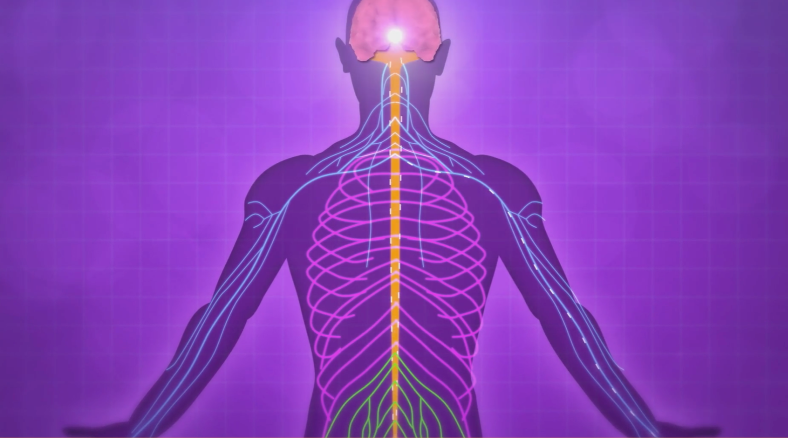
For the final five minutes, have students draw a basic outline of a brain and add arrows to represent information moving between the senses, the brain and the body. Ask them to label what they know and mark any questions they still have. Younger children can draw a sensory experience; older students can describe how information might be processed before they react.
Use reflection to deepen the science
Gratitude activities can help teachers connect social and emotional reflection with lessons about human biology. Their value depends on giving students room to observe, ask questions and describe their own experiences without requiring everyone to feel or respond in the same way. A drawing, a sensory activity or a brief group discussion can all serve that purpose.
The practical takeaway is to choose one clear science connection and build the reflection around it. For K–2, start with what students can sense. For grades 3–5, add questions about how the brain handles information and guides responses. That progression gives teachers a manageable way to make gratitude part of a broader conversation about the body and the mind.