Fall Harvest Science Lessons Connect Plant Growth to Food Systems
Grade-specific lessons and low-prep activities help K–5 students connect plant parts, growth, photosynthesis and food webs to the fall harvest.
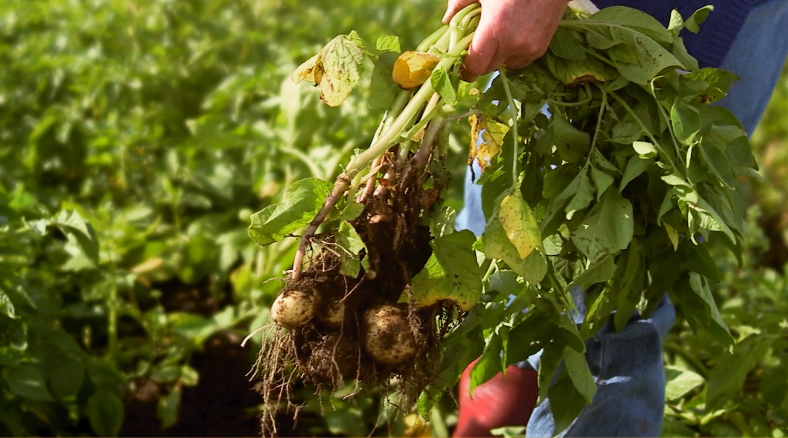
Fall harvest lessons can turn familiar foods into a practical route through plant science. For K–5 students, the central question is bigger than where an apple or pumpkin grows: how does a plant build the material that eventually becomes food? A lesson that starts with students’ ideas about seeds, soil and growth can lead younger learners to identify plant parts and older students to consider photosynthesis and energy transfer.

Start with the plant, then follow the food
Ask students how a seed becomes a pumpkin, including how a pumpkin could grow to weigh 500 pounds. Record their explanations before introducing the idea that plants gain much of their mass from carbon dioxide in the air and water, rather than from soil. This can unsettle an intuitive assumption: soil supports plant growth, but it does not account for most of a plant’s mass.
That distinction gives teachers a useful starting point. Students can compare what a plant needs to grow with what becomes part of the plant, then return to their first explanations and revise them. For younger children, the discussion can stay focused on basic needs and visible plant parts. Older students can connect the same question to photosynthesis and how energy moves through food systems. A giant pumpkin offers a memorable example, while the underlying question applies to crops and other plants as well.
Choose resources by grade and preparation time
The resources below divide the topic into short lessons and hands-on activities. The grade bands provide a starting point for selection; teachers can also choose based on students’ prior knowledge and available materials. Video lessons and definitions are listed as zero prep, while the activities are marked low prep.
| Resource | Suggested grades | Preparation |
| Parts of a Plant | K–2 | Zero prep |
| Plants Need Water & Light | K–2 | Zero prep |
| Plant Growth Conditions | K–2 | Zero prep |
| Plant Growth Definition | K–2 | Zero prep |
| Pollination & Seed Dispersal | K–2 | Zero prep |
| Animal & Plant Life Cycles | 3–5 | Zero prep |
| Variation of Traits | 3–5 | Zero prep |
| How Do We Use Food? | 3–5 | Zero prep |
| Food Webs | 3–5 | Zero prep |
| Color-Changing Celery | K–2 | Low prep |
| Make a Seed Model | K–2 | Low prep |
| Comparing Soil | K–2 | Low prep |
| Grow Plants in a Jar | K–2 | Low prep |
| Grow an Avocado Plant | 3–5 | Low prep |
| Plant Growth Conditions Activity | 3–5 | Low prep |
| Windowsill Garden | 3–5 | Low prep |
Grades K–2: make plant parts tangible
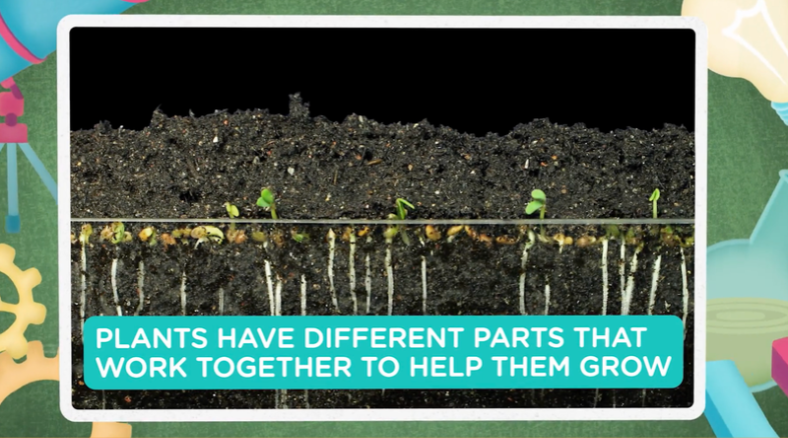
For early elementary students, the harvest can make plant anatomy concrete. Carrots are roots; celery is a stem. Those familiar foods help children connect the parts they learn about to something they can see on a plate. Invite students to name other foods and predict which plant part each one comes from. Their answers can lead into a lesson on what roots and stems do for a plant.
The Parts of a Plant lesson and activities provide one route into that conversation. A color-changing celery activity can extend it by giving students something to observe as water moves through a stem. Other options focus on plant needs and growth conditions, including growing plants in a jar or comparing soil. These activities let students connect a concept to a visible change, while teachers can use questions about what they observe to check understanding.
Grades 3–5: connect growth to food systems
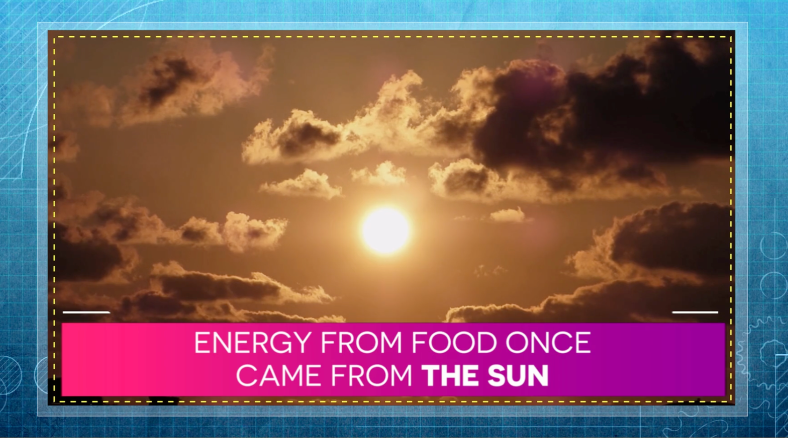
By grades 3–5, students can consider how plant growth fits into a larger system. Harvesting an apple involves more than picking fruit: the plant grew, and its growth connects to photosynthesis. Students can move from identifying plant parts to asking how plants survive, grow and provide food. Lessons on food webs can broaden the discussion to relationships among living things.
The food science lesson and activities offer another way to connect plant growth with how people use food. A windowsill garden or an avocado plant activity can keep that connection visible over time. Students can observe growth and discuss how a plant’s life cycle relates to the food people eat. For a seasonal comparison, teachers can also draw on apple-season science activities.
A 20-minute lesson with no setup
A short session can still give students a clear question to investigate. For a K–2 class, ask, “Does a pumpkin eat dirt?” Give students five minutes to share ideas and write them on the board. Spend the next ten minutes with a Plant Growth Conditions or Plants Need Water & Light lesson. Use the final five minutes for follow-up questions, asking students to explain whether the video changed their thinking.
Another quick option is to brainstorm seasonal foods together. Record students’ ideas on the board, then ask which foods come from plants and what part of the plant people eat. That conversation links a familiar seasonal topic to plant anatomy and gives students a chance to build on one another’s observations.
Harvest science works best when students treat food as evidence: a carrot can prompt questions about roots, while a growing plant can prompt questions about water, light and change. A seasonal lesson can begin with what’s on the table and lead students toward a clearer picture of how plants grow and feed wider food systems.