National STEM Day Lessons: Practical K–8 Activities for Every Grade
A flexible K–8 STEM plan pairs age-appropriate lessons with simple classroom challenges to teach engineering as problem-solving.
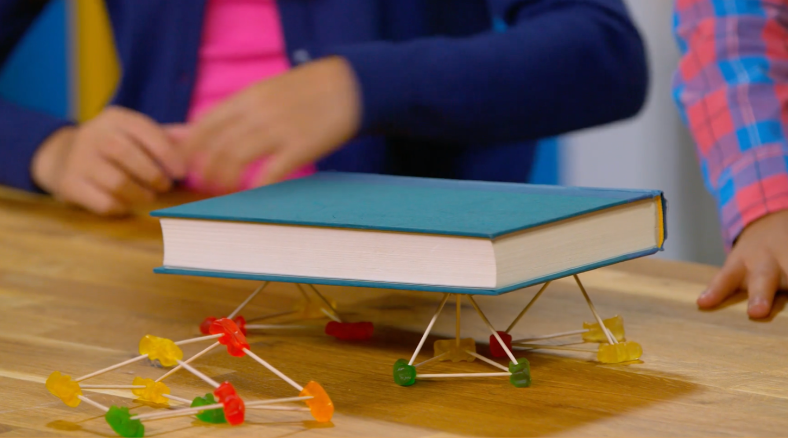
National STEM Day can give K–8 students a useful introduction to engineering without a large materials budget or a full class period. The strongest lesson in this set is also the simplest: engineers solve problems. That framing helps children connect engineering to everyday needs, then gives teachers a clear way to shape activities around students’ ages and available time.
For educators planning a one-day event or a week of STEM lessons, the resource list below combines short videos with low-preparation activities. It covers science, forces, energy, simple machines and the engineering design process. Teachers can choose a topic that fits their current unit, then use a hands-on task to help students apply what they’ve discussed.

Begin with the problem, not the hard hat
Ask students what they think engineers do and record their answers. Many may name familiar jobs such as building bridges or repairing cars. Then widen the definition: engineering means finding ways to solve problems. A classroom example could be figuring out how to reduce congestion around a pencil sharpener; a personal one might be coming up with a way to keep a younger sibling out of a room.
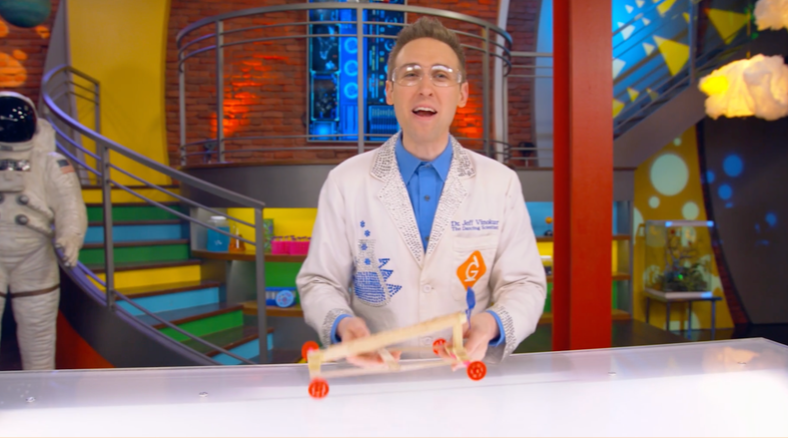
These examples make engineering feel relevant before students encounter technical terms or materials. They also create an opening to discuss who a solution serves, what limits it must work within and how students could tell whether it succeeds. For younger learners, that structure can keep an activity focused. For older students, it can turn a build into an argument about which design best meets the need.
Match the lesson to the grade band
The suggested resources span short videos and classroom activities, with preparation described as zero or low. The video topics include engineering, science, pushes and pulls, simple machines, balanced and unbalanced forces, potential and kinetic energy, the engineering design process, and careers connected to science. The activity ideas include a candy engineering task, a popsicle-stick catapult, mini golf, an egg drop, a forces investigation, a paper table challenge and a pool noodle design task.
For kindergarten through grade 2, simple instructions and clear boundaries can help more children take part. A short lesson on engineering, pushes and pulls, or simple machines can introduce a concept before students try a low-preparation activity. The goal is to help them notice what they are trying to solve and describe what happened, rather than letting construction become the whole lesson.
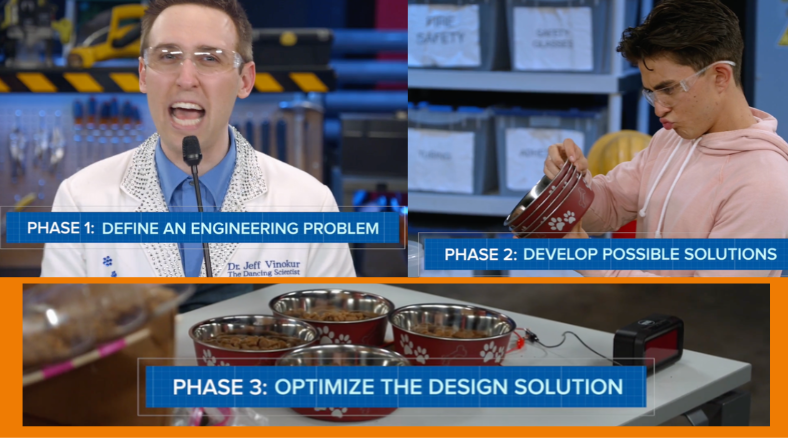
Students in grades 3–5 can take on more explicit constraints. In a design challenge, a limited set of materials or a defined purpose gives students a reason to compare ideas, explain choices and revise their work. An egg drop or forces activity can anchor discussion in observations: what moved, what stayed balanced and what changed when students adjusted their approach.
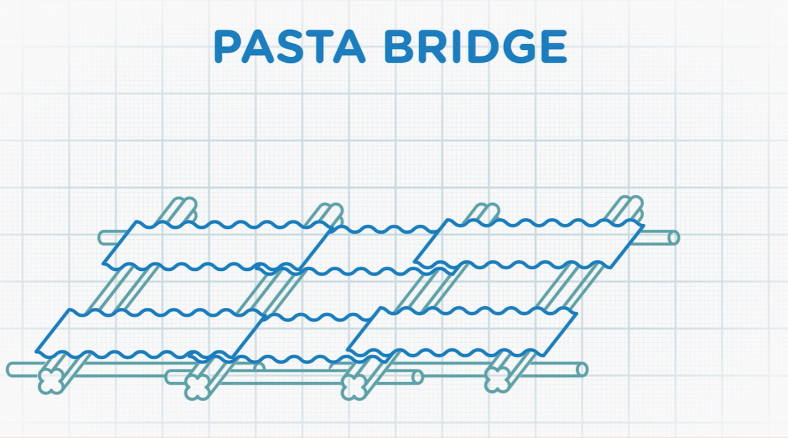
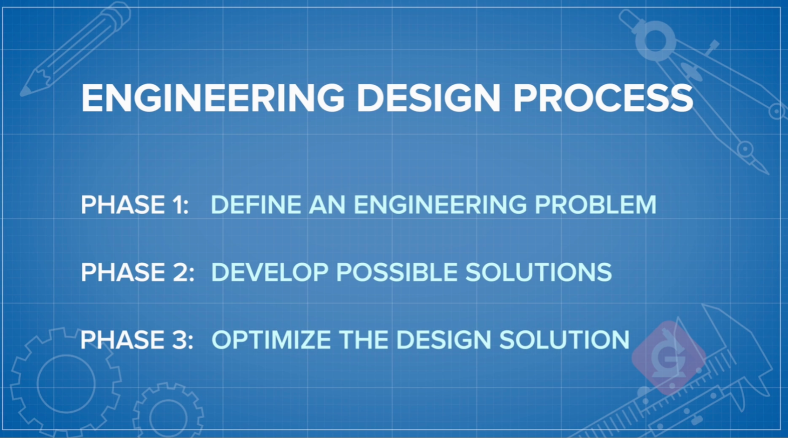
For grades 6–8, the engineering design process offers a more mature frame. Students can define a classroom problem, sketch possible responses and discuss which option is most likely to work. The paper table challenge provides a hands-on route into design, while lessons on energy or forces connect engineering choices to science concepts. Presenting the task as a debate over evidence and trade-offs may engage students who would dismiss an activity presented as a craft project.
A 20-minute lesson for a crowded day
When a class has only 20 minutes, the sequence can still make room for student thinking. Spend the first five minutes asking what an engineer does and letting students compare their initial ideas. Use the next ten minutes for a lesson on the engineering design process. In the final five minutes, ask students to identify one classroom problem and sketch a possible solution using the process.
The short format won’t support a full build-and-revise cycle, but it can help students see that engineering starts with a need and involves choices. A sketch gives them a concrete way to show how they’re applying the lesson, and the classroom setting makes the prompt easy to understand without extra materials.
Turn a special day into useful practice
STEM activities work best when students have something to investigate beyond making an impressive object. A tower or bridge can be engaging, but the learning becomes clearer when the task names the problem, sets a constraint and asks students to explain how they know a design worked. Those elements also give teachers a way to adapt the same broad idea across grade levels.
National STEM Day or STEM week can therefore serve as a starting point for recurring classroom habits: noticing problems, testing ideas and learning from results. With a short video, a focused prompt and materials suited to the class, teachers can make engineering accessible even when planning time is scarce. The lasting takeaway is that students don’t need elaborate equipment to begin thinking like problem-solvers.